


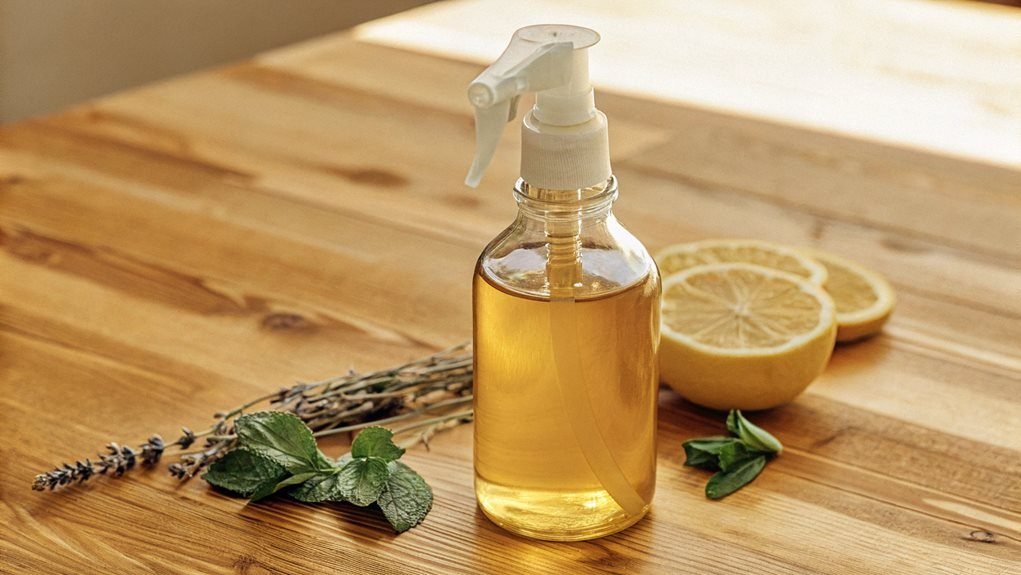
Margaret Roberts was one of South Africa’s first organic farmers, and her gardens at the Herbal Centre have always been kept healthy without harsh chemicals. Her secret was simple: plant strongly scented herbs among everything else, attract the insects that eat pests, and use gentle homemade sprays only when needed.
Why aromatic herbs help keep pests away
Many pests find their food plants by smell. Strongly scented herbs mask that smell, confuse insects and, in some cases, repel them. Their flowers also feed beneficial insects such as ladybirds, lacewings, hoverflies and small wasps, which eat aphids and caterpillars. The University of Delaware’s extension service notes that herbs such as basil, coriander, rosemary, lavender, parsley, borage, dill and chives have been shown in some studies to attract natural enemies or repel plant-eating insects.
12 herbs that repel insects
- Lavender: deters moths in cupboards and many garden pests. The Margaret Roberts lavender is ideal for borders.
- Rosemary: a strong scent that many insects avoid; plant it near cabbages and carrots.
- Wilde als and wormwood: bitter, aromatic leaves used in traditional insect-repelling brews.
- Khakibos (Tagetes minuta): a pungent wild marigold, traditionally hung in sheds and used in sprays.
- Tansy: an old-fashioned fly and ant deterrent (for the garden only, not for eating).
- Basil: plant it with tomatoes; it is also used to deter flies on patios.
- Mint: a strong scent many pests dislike. Grow it in a pot so it does not spread.
- Garlic and chives: traditionally planted around roses to deter aphids.
- Wild garlic (Tulbaghia violacea): SANBI’s PlantZAfrica profile of wild garlic notes it is traditionally planted around homes to keep snakes away, and the crushed leaves are used against insects.
- Lemongrass: a citrus-scented grass for planting near patios and doors.
- Feverfew: a pretty, daisy-flowered herb with a sharp scent that deters many insects.
- Nasturtium: not a repellent but a trap crop: aphids gather on it instead of your vegetables.
Three simple homemade garden sprays
1. Garlic and chilli spray
Blend one bulb of garlic and two or three hot chillies with a litre of water. Leave it overnight, strain through a fine cloth and add a teaspoon of mild liquid soap. Spray onto aphids and other soft-bodied pests in the evening.
2. Wormwood or khakibos brew
Pour a litre of boiling water over a big handful of wilde als or khakibos leaves, cover and leave until cool. Strain, add a teaspoon of mild liquid soap and spray on affected plants.
3. Soapy water spray
For a quick fix on aphids, mix a teaspoon of mild liquid soap into a litre of water and spray directly onto the insects.
Safety tips: test any spray on a few leaves first, spray in the evening, keep sprays off open flowers where bees forage, wear gloves when handling chillies, and wash produce before eating.
When you need something stronger
For heavy infestations of aphids, red spider mite, whitefly, mealybug or scale, the ready-made Margaret Roberts Organic Insecticide by Kirchhoffs is based on canola oil and garlic and is available from most nurseries. Always follow the label.
Plan the whole garden
Insect-repelling herbs work best as part of a mixed planting plan. Read our guide to companion planting with herbs, and if your soil is heavy, see herbs that grow in clay soil. You can buy many of these herbs at our herb nursery.
Frequently asked questions
Which herbs keep mosquitoes away?
Lemongrass, lavender, rosemary, basil, mint and wild garlic are traditionally planted near doors and patios. Crushing the leaves releases more of their scent.
What is the best homemade insect spray for plants?
A garlic and chilli spray is a simple, traditional option for soft-bodied pests such as aphids. Test it on a few leaves first and spray in the evening.
Do insect-repelling herbs harm bees?
The plants themselves are excellent for bees. Avoid spraying any homemade spray onto open flowers, and spray in the evening when bees are not active.