


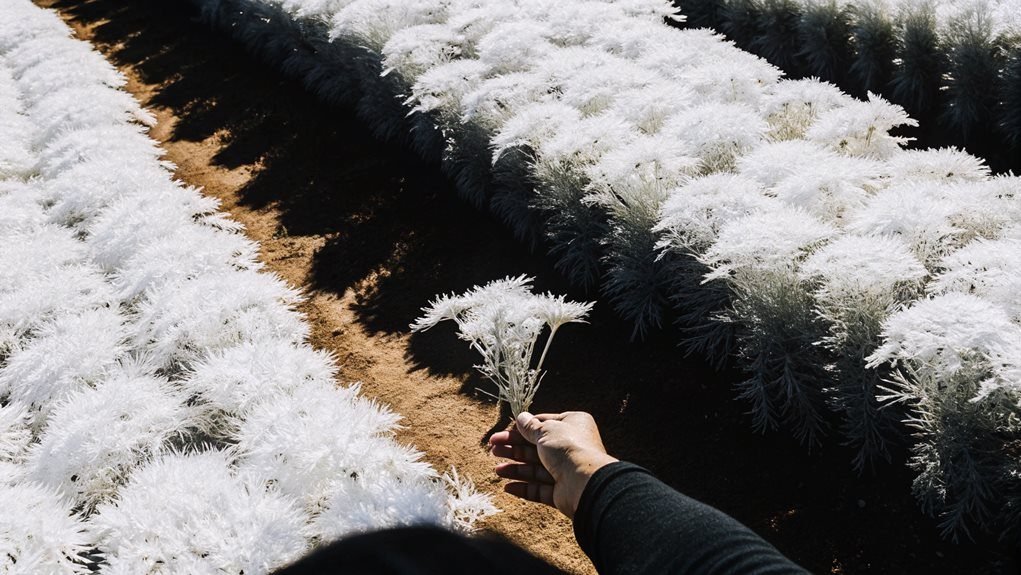
Yarrow (Achillea millefolium) is one of the oldest first-aid herbs. Its botanical name comes from the Greek hero Achilles, who, legend says, used it to treat his soldiers’ wounds. For centuries the feathery leaves have been crushed and held on small cuts and grazes. It is also one of the easiest herbs to grow in a South African garden.
This article describes traditional uses and is for general information only. It is not medical advice. Clean every wound well, and see a doctor for deep cuts, heavy bleeding, burns or any sign of infection.
How yarrow has traditionally been used on cuts
Yarrow’s traditional reputation is for helping to stop bleeding from small cuts and for soothing grazes. Gardeners would pick a clean, fresh leaf, crush it to release the juice and hold it on a minor graze. At home it was more often used as a cooled infusion to wash small wounds, or as an infused oil or salve.
The European Medicines Agency’s herbal committee recognises yarrow flower preparations as a traditional herbal medicine for minor wounds, among other uses, based on long-standing use. Its summary on yarrow flower also notes that these products should only be used by adults and adolescents over 12, and that a doctor should be consulted if a wound worsens or lasts longer than a week.
How to make a simple yarrow salve
- Harvest and dry: pick yarrow leaves and flowers on a dry morning and dry them in a shady, airy place until crisp.
- Infuse the oil: loosely fill a clean, dry glass jar with the dried herb, cover it completely with olive or sunflower oil and close the lid. Leave it in a warm spot for two to four weeks, shaking every few days.
- Strain: strain the oil through a fine cloth and squeeze out the herb.
- Make the salve: gently melt about 1 part beeswax in 4 parts infused oil in a double boiler, stir, and pour into small clean tins or jars. Label and date them.
Store the salve somewhere cool and use it within a year. Always patch-test a little on the inside of your arm first.
Who should not use yarrow
- People allergic to plants in the daisy family (Asteraceae), such as chamomile, chrysanthemum or ragweed.
- Pregnant and breastfeeding women, unless a doctor advises otherwise.
- Children under 12.
- Anyone with a deep, dirty or infected wound: get medical help instead.
How to grow yarrow in South Africa
Yarrow is a hardy, spreading perennial with flat heads of white, pink, yellow or red flowers. It is water-wise and very forgiving.
- Position: full sun, in average, well-drained soil. It tolerates poor and heavier soils better than most herbs; see our list of herbs that grow in clay soil.
- Water: water regularly while it settles in, then only in long dry spells.
- Care: cut back after flowering to keep it tidy, and divide clumps in spring every two or three years.
- In the vegetable garden: yarrow’s flowers attract hoverflies and ladybirds, which eat aphids. It is a classic companion plant.
Buy yarrow plants from our herb nursery on an open day.
Other garden herbs for the first-aid shelf
Yarrow pairs well with calendula, which has a long history of use on minor skin inflammation. Read how to grow calendula and make your own calendula ointment, and explore more traditional remedies in our guide to South African medicinal plants, such as bulbinella, the burn jelly plant.
Frequently asked questions
Does yarrow stop bleeding?
Yarrow has a long traditional reputation for helping to stop bleeding from small cuts and grazes. For deep wounds, heavy bleeding or anything that will not stop, get medical help.
How do you use yarrow on a cut?
Traditionally, a clean, fresh leaf was crushed and held on a small, cleaned graze. A wash made from a yarrow infusion or a yarrow salve can also be used on minor skin injuries.
Who should not use yarrow?
People allergic to plants in the daisy family, pregnant women and children under 12 should not use yarrow remedies without medical advice.